
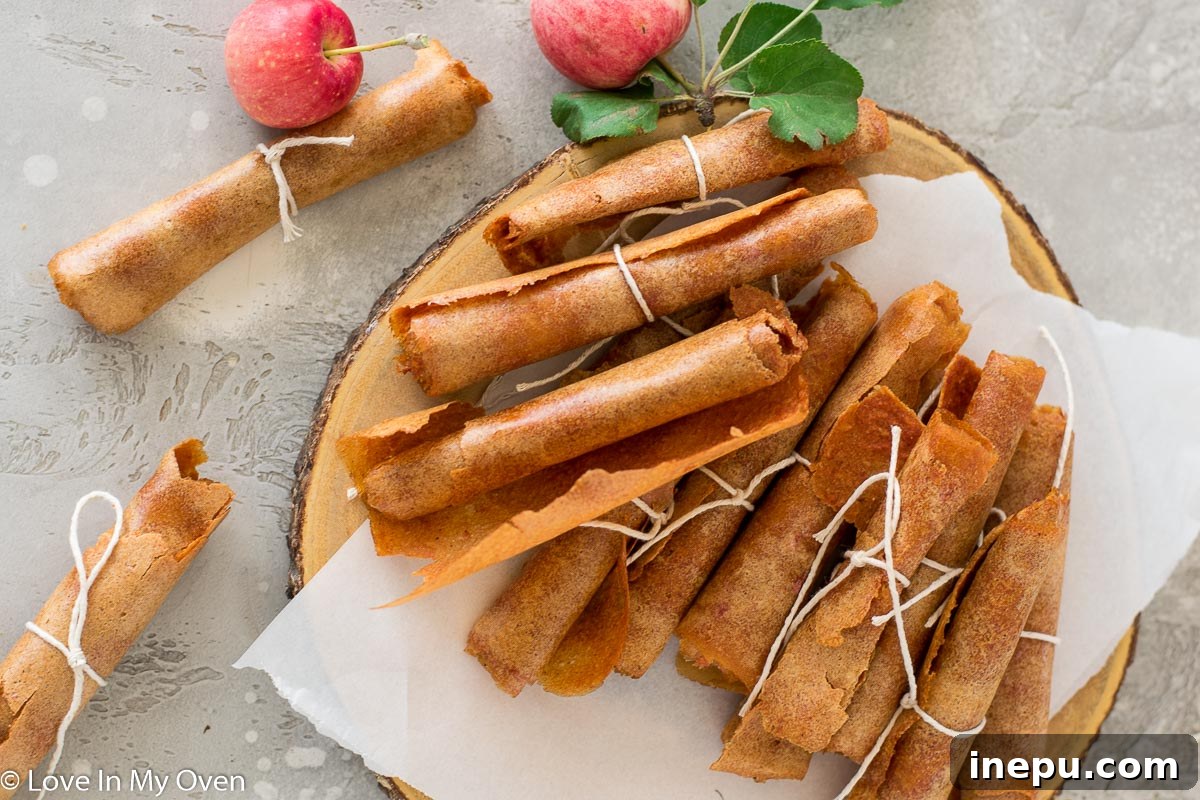
Transform an abundance of apples into a delightful, wholesome snack! This homemade apple fruit leather, crafted with just apples, cinnamon, and a touch of honey, is a healthy and naturally sweet treat perfect for lunchboxes, quick snacks, or a guilt-free indulgence.
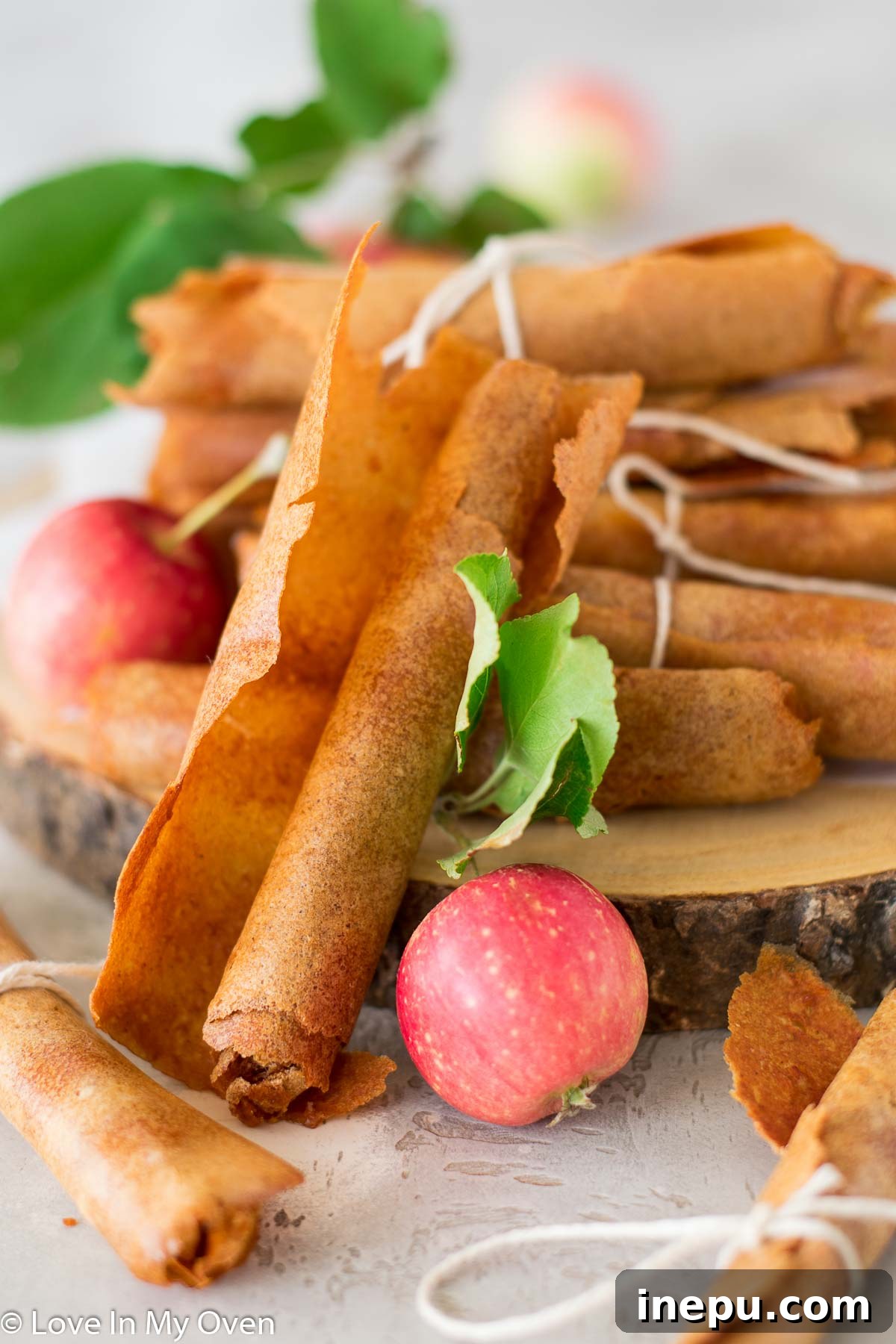
As the vibrant hues of autumn fade and a gentle blanket of snow begins to fall, a bittersweet feeling settles in. The apple trees, once laden with a bountiful harvest, now stand bare, signaling the transition into winter – a season that, while beautiful, often feels the longest. Yet, even as we bid farewell to the crisp, fresh apples of the season, the joy of their harvest lingers. Thanks to simple preservation methods like making homemade apple fruit leather, we can enjoy the essence of autumn’s bounty all year long!
This past summer, our apple trees truly outdid themselves, providing an abundant yield that sparked grand plans for next year’s harvest. The delightful challenge, of course, was finding creative ways to utilize such a generous supply. Beyond classic favorites like homemade apple sauce, comforting pull-apart apple bread, and decadent apple cake, there’s another fantastic option that stands out for its simplicity and health benefits: apple fruit leather.
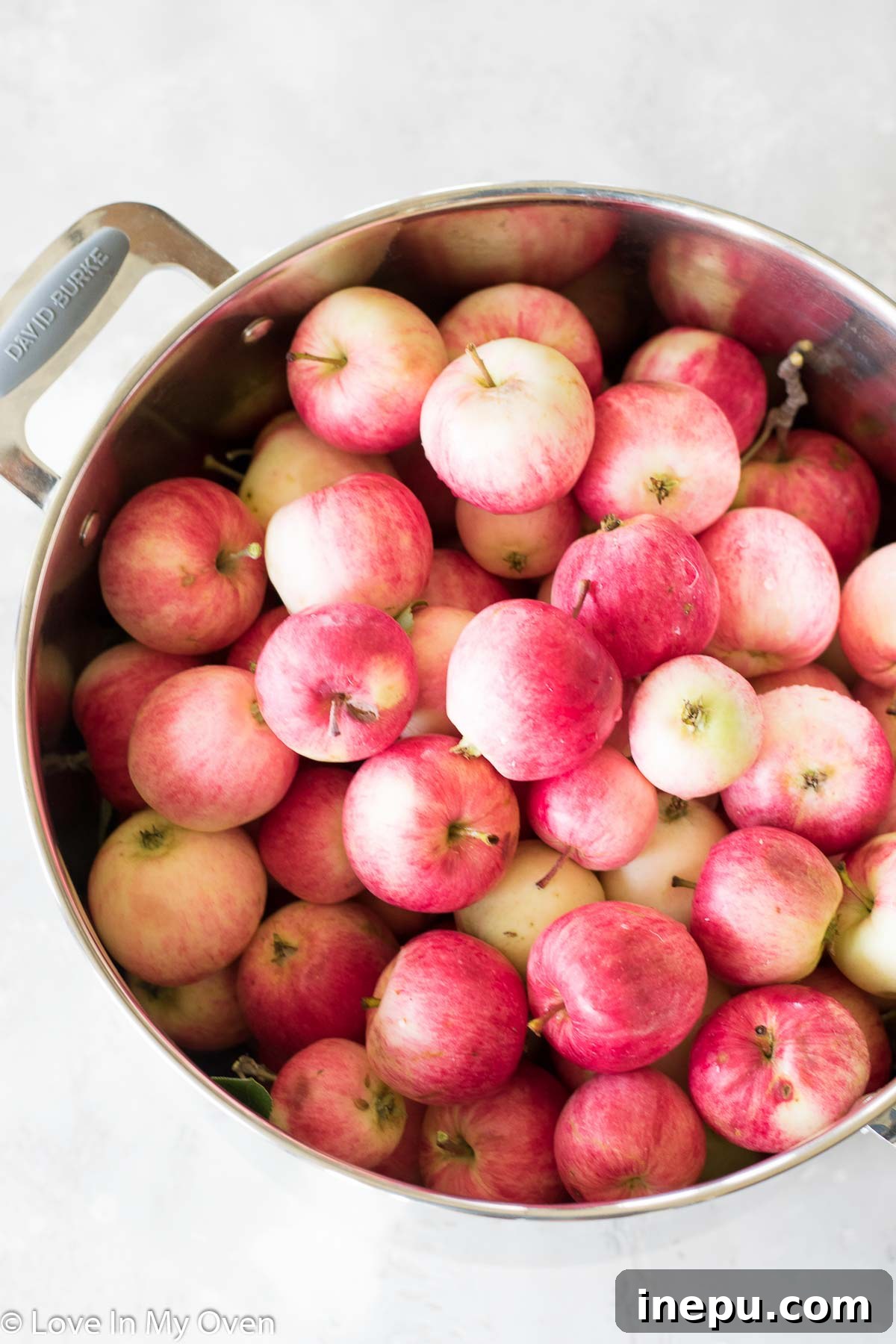
Making your own fruit leather is an incredibly satisfying experience. It allows you to transform fresh fruit into a shelf-stable, chewy snack that’s bursting with natural flavor. This particular recipe focuses on the timeless combination of apples and cinnamon, sweetened with honey, to create a truly irresistible treat. It’s perfect for those seeking a healthier alternative to store-bought processed snacks, offering a natural source of vitamins and fiber without artificial additives or excessive sugars.
What Exactly Is Fruit Leather?
If you’ve ever purchased those thin, flexible, dried fruit strips from the grocery store, then you’re already familiar with fruit leather. At its core, fruit leather is simply fruit puree that has been spread thinly and then dehydrated until it reaches a pliable, slightly chewy consistency. The magic behind its long shelf life lies in the dehydration process, which effectively removes almost all moisture from the fruit. This significantly inhibits spoilage, making it an excellent snack for on-the-go adventures, school lunchboxes, or even emergency provisions.
Beyond its practicality, homemade fruit leather offers distinct advantages. Unlike many commercial varieties that may contain added sugars, artificial colors, or preservatives, your homemade version is completely natural. You control every ingredient, ensuring a pure, wholesome snack. It’s a fantastic way to utilize excess fruit, prevent food waste, and provide a nutritious alternative for your family. Plus, the process itself is quite enjoyable, especially if you involve younger family members!
Why Make Your Own Apple Fruit Leather?
There are countless reasons to embrace the art of homemade apple fruit leather. For starters, it’s an incredibly healthy snack option. Apples are packed with fiber, vitamins, and antioxidants, and by making fruit leather at home, you retain much of their nutritional value. Unlike many store-bought options that are often loaded with high-fructose corn syrup and artificial ingredients, your homemade version uses natural sweeteners like honey or maple syrup, or even no added sugar if your apples are sweet enough.
Furthermore, making your own fruit leather is surprisingly cost-effective. When apples are in season, they can be purchased in bulk at a very reasonable price. Transforming these into fruit leather helps preserve them, extending their enjoyment far beyond their typical shelf life. This is particularly beneficial for families looking to manage their grocery budget without sacrificing quality or nutrition. It’s a smart way to stock your pantry with healthy snacks without the premium price tag of organic, preservative-free store-bought alternatives.
The customization possibilities are endless. While this recipe focuses on classic apple and cinnamon, you can experiment with different apple varieties to alter the sweetness and tang, or introduce other spices like nutmeg, ginger, or even a hint of cardamom. Adding a splash of lemon juice not only brightens the flavor but also helps prevent browning. This versatility makes fruit leather a consistently exciting snack that can be adapted to any palate or dietary preference.
Choosing the Right Apples for Perfect Fruit Leather
The success of your apple fruit leather largely depends on the quality and type of apples you choose. While “any apple will do,” selecting varieties with good flavor and texture will elevate your end product. Generally, a mix of sweet and slightly tart apples works wonderfully to create a balanced flavor profile. Some excellent choices include:
- Fuji or Gala: These are sweet and crisp, providing a naturally sugary base.
- Honeycrisp: Known for its intense sweetness and satisfying crunch, it makes a wonderfully flavorful leather.
- Granny Smith: If you prefer a tarter leather, or want to balance out very sweet apples, a Granny Smith adds a lovely zing.
- Braeburn or Pink Lady: These offer a good balance of sweet and tart, with a firm texture that purees well.
Regardless of the variety, always choose apples that are firm, free of blemishes, and feel heavy for their size. If you’re using apples fresh from the tree, as I often do, remember that perfectly ripe apples will yield the most flavorful fruit leather. Slightly overripe apples that are still firm can also be used, making this a fantastic recipe for utilizing fruit that might otherwise go to waste.
How Do You Make Apple Fruit Leather?
Making apple fruit leather is surprisingly simple, requiring minimal ingredients and active prep time. The longest part of the process is patiently waiting for the fruit puree to dehydrate! The core components for this delightful snack are:
- Apples: Fresh, ripe apples are the star. Choose your favorite variety or a mix for complex flavor.
- Honey (or Maple Syrup): A natural sweetener. Use honey for a rich, warm flavor, or maple syrup for a vegan option and a slightly different sweetness profile. Adjust to taste based on the sweetness of your apples.
- Cinnamon: Adds a comforting, aromatic spice that pairs perfectly with apples.
- Water: A small amount helps achieve the ideal blending consistency.
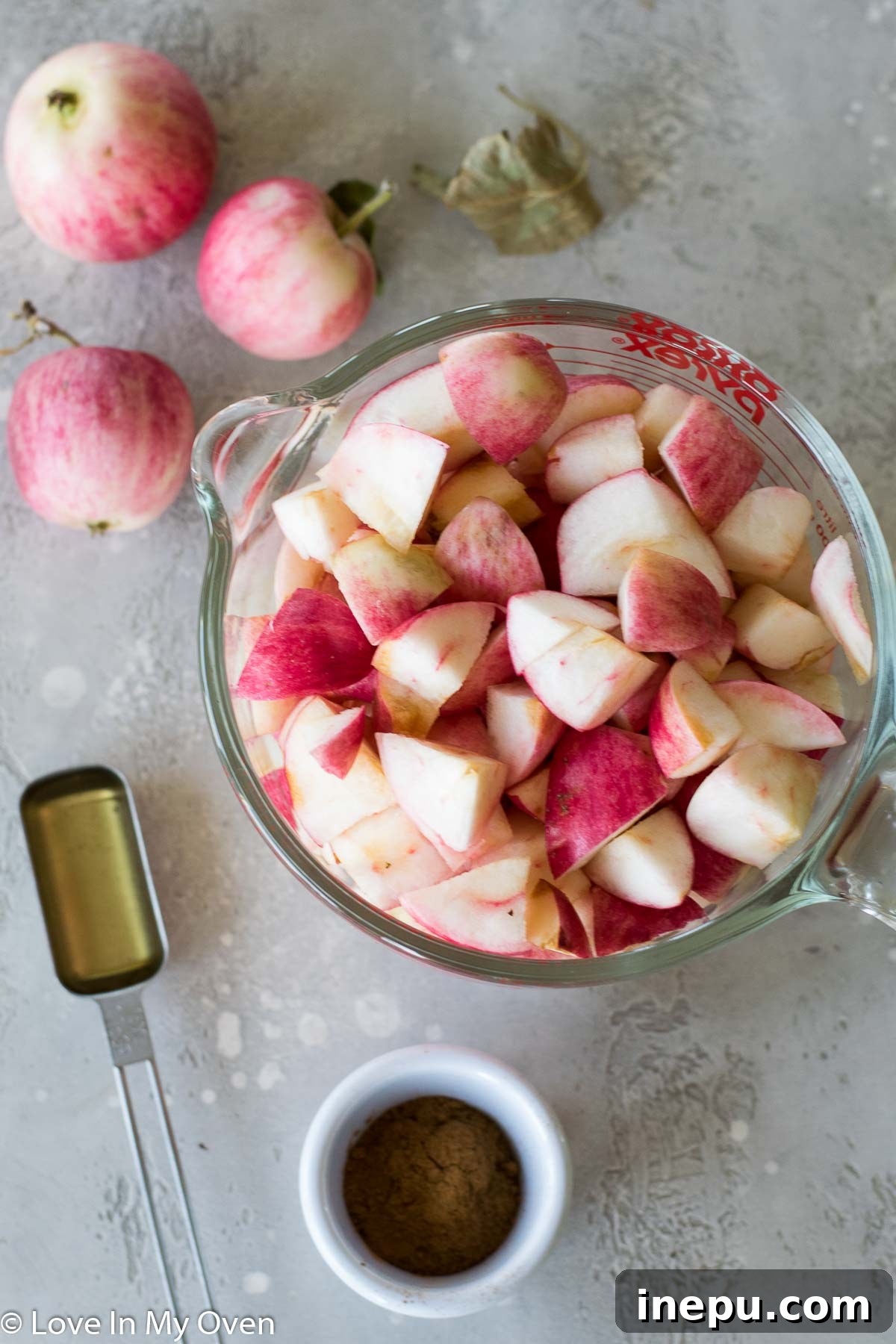
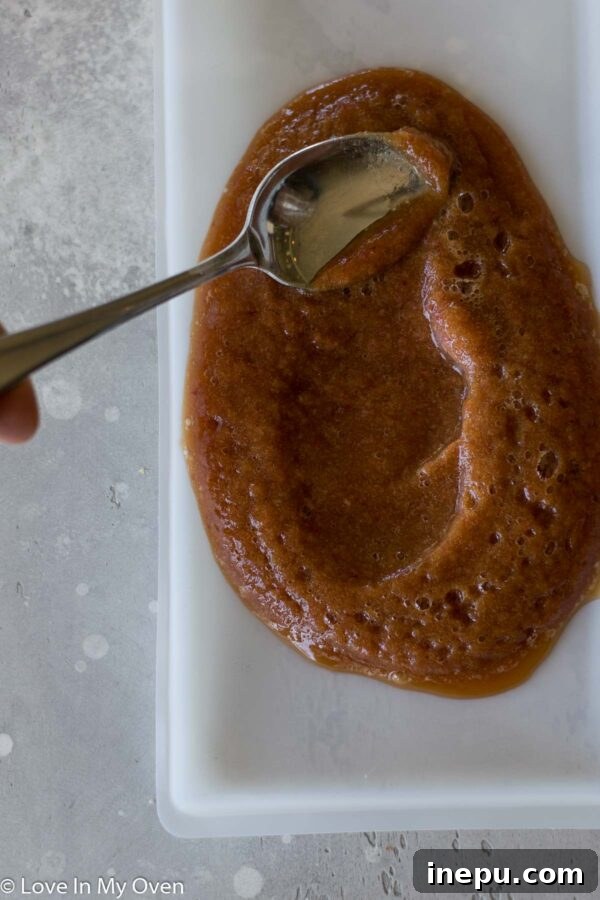
Once you’ve gathered your ingredients, the process begins by preparing the apples. Dice them into small-ish pieces, ensuring you remove all seeds and cores. There’s no need to peel the apples unless you prefer a super smooth leather, as the skins blend down beautifully and add extra fiber. Transfer the diced apples into a high-powered blender or food processor, then add the honey (or maple syrup), cinnamon, and a splash of water. Blend the mixture on high until it is incredibly smooth, with no visible chunks remaining. Achieving a perfectly smooth puree is key to a uniform and enjoyable fruit leather texture.
Now comes the drying part, where your smooth apple puree transforms into chewy fruit leather. There are two primary methods for this: using a dehydrator or a conventional oven.
Using a Dehydrator for Optimal Results
If you own a dehydrator, this is often the preferred method due to its consistent low heat and excellent airflow, which results in evenly dried fruit leather. Many dehydrators come with specific plastic trays or silicone sheets designed for fruit leathers. If yours doesn’t, you can line your regular dehydrator trays with parchment paper or non-stick silicone mats.
Pro Tip: Regardless of the type of tray, generously spray it with a nonstick cooking spray before spreading the puree. This critical step ensures that the fruit leather peels off easily once dried, preventing frustration and tearing.
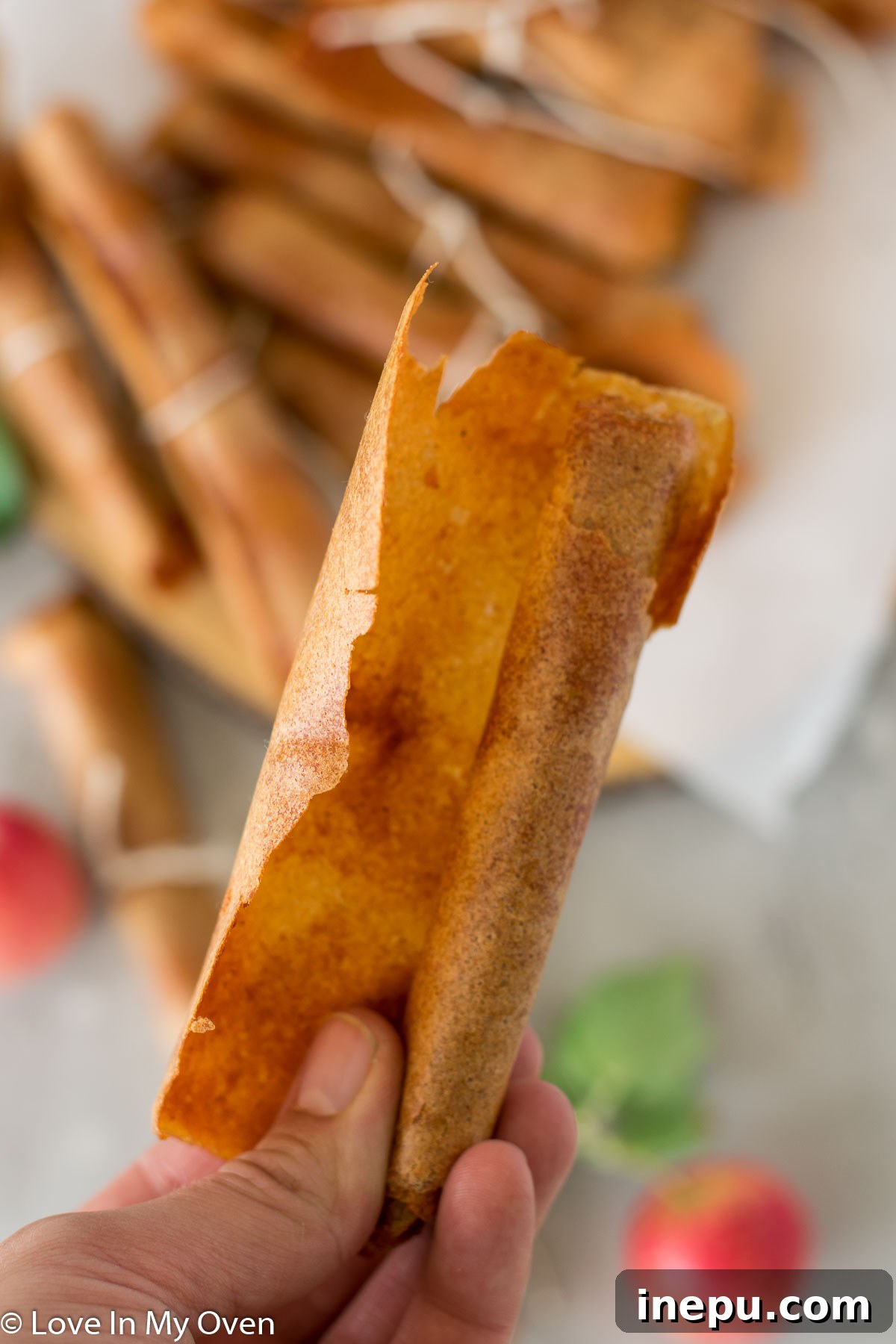
Once your trays are prepped, spread the apple puree evenly over the surface. Aim for a thin layer, approximately 1/4 inch thick, but ensure it’s thick enough so that the tray material doesn’t show through. An even thickness is vital for uniform drying. Place the trays in the dehydrator and set the temperature to 140°F (60°C). The drying process typically takes about 3-4 hours, though this can vary depending on your dehydrator, the thickness of the puree, and the humidity in your environment. The fruit leather is done when it’s no longer tacky to the touch, is pliable, and peels away easily from the tray.
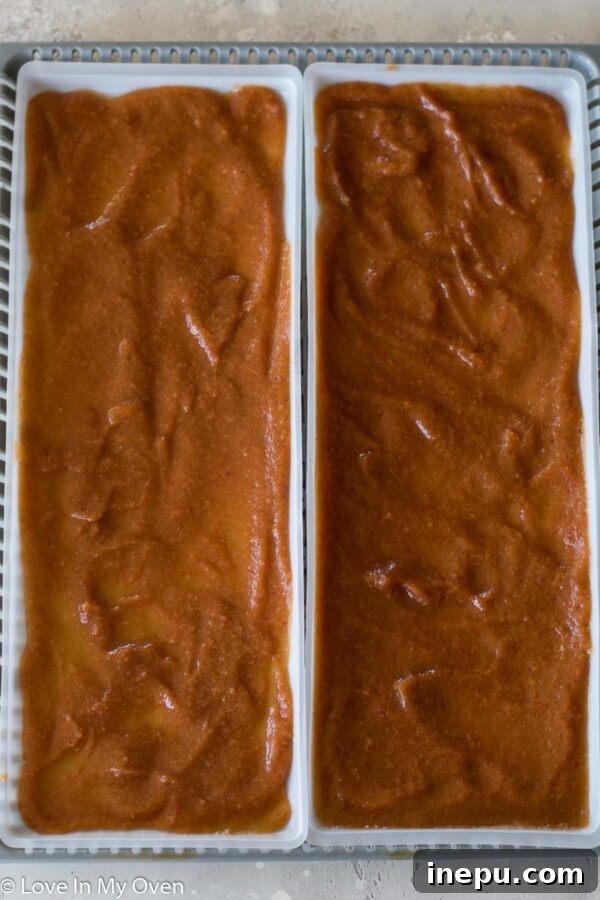
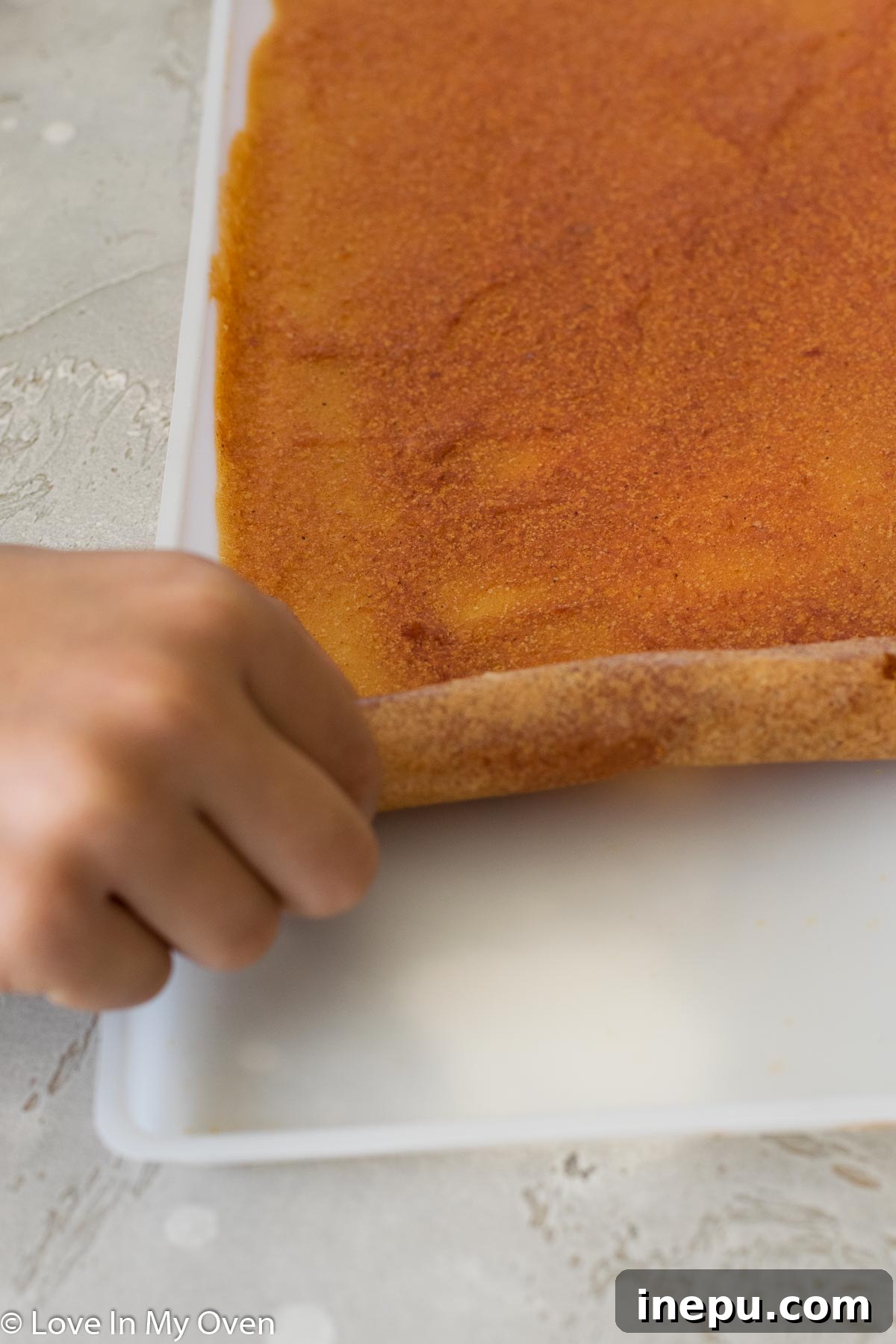
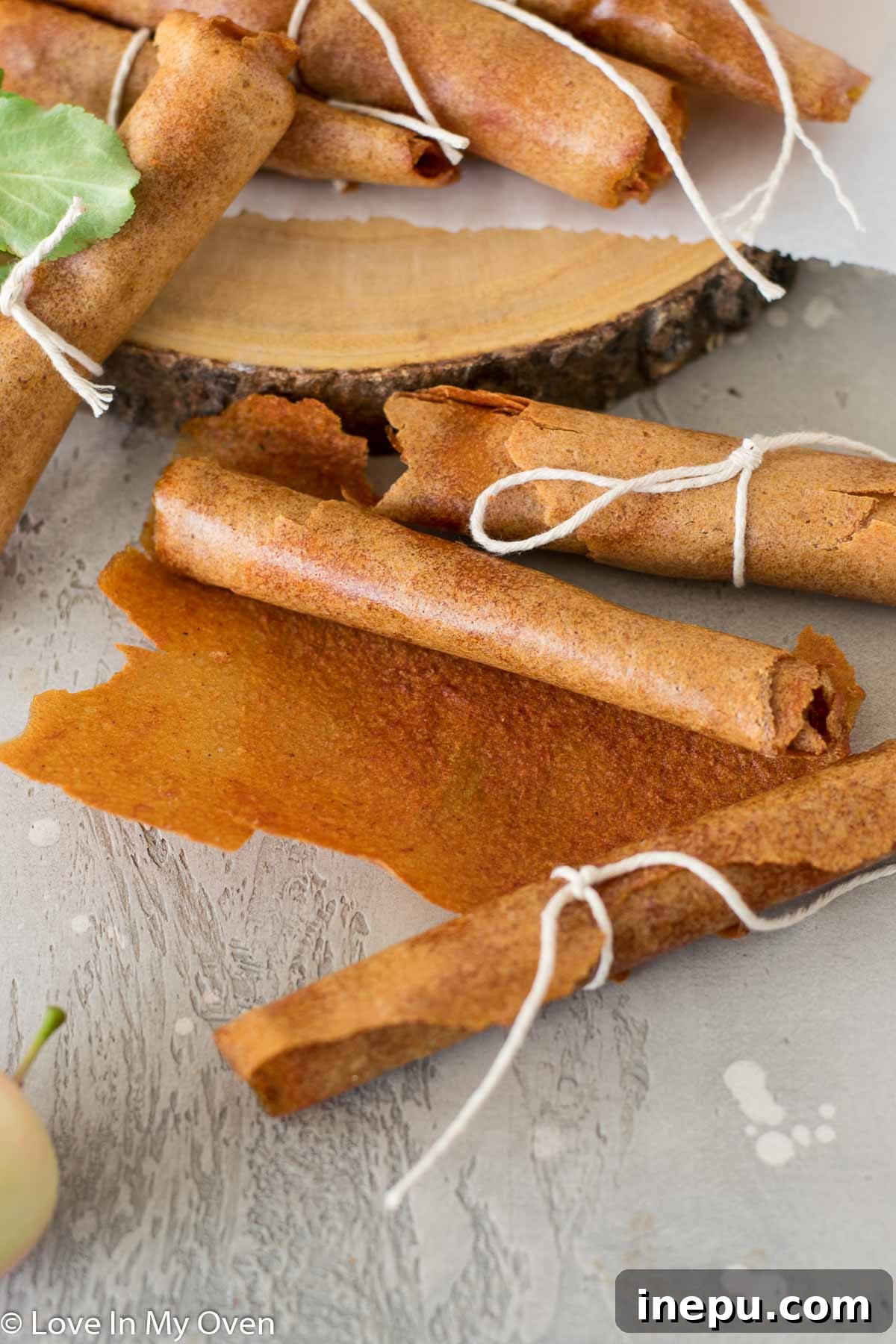
Once perfectly dried, remove the trays from the dehydrator. While still slightly warm, carefully peel the fruit leather away from the tray. You can then roll it up tightly, like a fruit roll-up. Wrap individual rolls in plastic wrap to prevent them from sticking together and to maintain freshness. They’re ready to enjoy immediately or store for later!
For a fun family activity, enlist your kids to help with the rolling-up task – it’s often a favorite step!
How to Make Apple Fruit Leather in the Oven (No Dehydrator Needed!)
Don’t have a dehydrator? No problem! You can still make delicious apple fruit leather using your conventional oven. The key is to use the lowest possible temperature setting and allow for ample drying time. Follow the initial steps for pureeing the apples as described above.
Next, line a large baking sheet with parchment paper or a non-stick silicone baking mat. A slight spray of nonstick cooking spray on top of the parchment can also be helpful. Spread the apple puree onto the prepared baking sheet in a thin, even layer, aiming for about 1/4 inch thickness. The thinner and more even the layer, the faster and more uniformly it will dry.
Place the baking sheet in your oven, preheated to its lowest setting, typically around 140°F (60°C) to 170°F (77°C). If your oven has a “warm” setting or a convection fan, those can be beneficial for consistent drying. Leave the oven door slightly ajar (a wooden spoon works well to prop it open) to allow moisture to escape. This is crucial for dehydration. The drying time in an oven is significantly longer than in a dehydrator, usually taking about 8-10 hours, or even up to 12 hours. Check periodically for readiness. The fruit leather is done when it’s dry to the touch, no longer sticky, and pliable. It should peel away easily from the parchment paper without breaking.
Once dried, let it cool completely before peeling it off the liner and rolling it up. Then, wrap and store as usual.
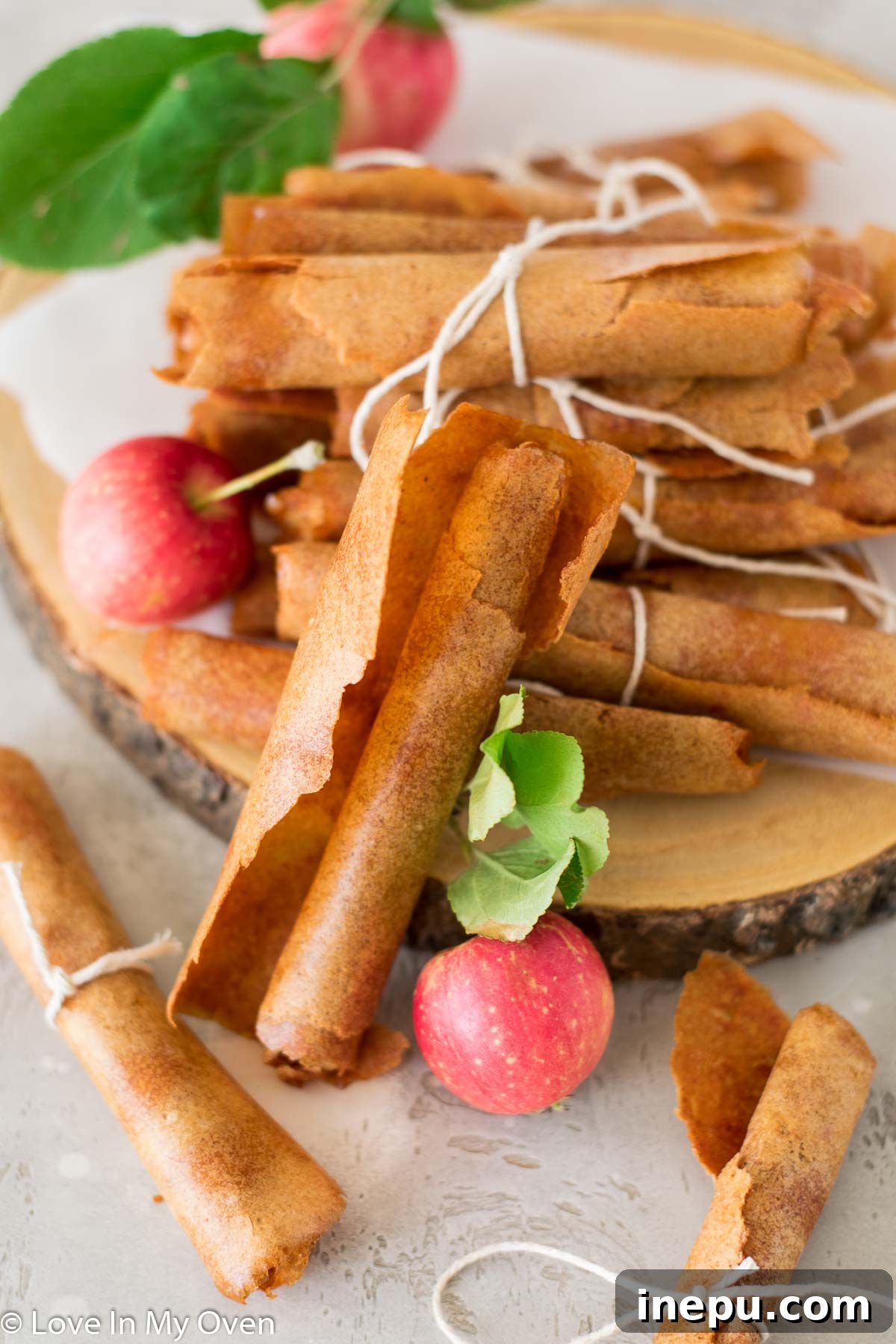
Storage Solutions: Keeping Your Apple Fruit Leather Fresh
One of the greatest benefits of homemade fruit leather is its impressive shelf life, thanks to the dehydration process. Proper storage is key to maintaining its freshness and chewy texture.
- Room Temperature: For immediate enjoyment or short-term storage, wrap individual fruit leather rolls tightly in plastic wrap to prevent them from drying out further or sticking together. Store them in an airtight container at room temperature for up to 2 weeks. Keep them away from direct sunlight or heat sources.
- Refrigerator: If you’ve made a larger batch and want it to last longer, the refrigerator is an excellent option. Stored in plastic wrap within an airtight container, your apple fruit leather can stay fresh for up to 2 months. The cooler temperature helps preserve its texture and flavor.
- Freezer: For the longest possible storage, the freezer is your best friend. Properly wrapped and stored in a freezer-safe bag or container, fruit leather can last beautifully for up to 6 months. When you’re ready to enjoy a frozen roll, simply transfer it to the refrigerator to thaw for a few hours before eating. It will retain its delicious flavor and chewy consistency.
Always ensure your fruit leather is completely dry before storing to prevent mold or spoilage. Any residual moisture can compromise its longevity.
Creative Ways to Enjoy & Customize Your Apple Fruit Leather
While apple fruit leather is a fantastic stand-alone snack, its versatility allows for many creative uses and customizations. Here are some ideas to inspire you:
- Lunchbox Staple: Its original purpose – a healthy, portable snack that kids and adults alike adore.
- Hiking & Camping Fuel: Lightweight and energy-dense, it’s perfect for outdoor adventures.
- Breakfast Booster: Cut into small pieces and sprinkle over yogurt, oatmeal, or granola for added flavor and chewiness.
- Trail Mix Addition: Incorporate small strips or pieces into your homemade trail mix for a sweet, fruity element.
- Edible Decorations: Use cookie cutters to create fun shapes for garnishing desserts or adding flair to a snack plate.
- Healthy Gift: Package beautifully rolled fruit leathers in a jar or decorative bag for a thoughtful, homemade gift.
To customize your apple fruit leather beyond cinnamon, consider these delightful additions:
- Other Fruits: Blend a handful of berries (strawberries, blueberries), peaches, or pears with the apples for a mixed-fruit leather. Reduce the water slightly if using very juicy fruits.
- Spices: A pinch of nutmeg, allspice, or ginger can add more depth to the apple-cinnamon flavor profile.
- Extracts: A few drops of vanilla extract, almond extract, or even a hint of rum extract can introduce unique aromas and tastes.
- Citrus Zest: A little lemon or orange zest blended into the puree brightens the flavor considerably.
The beauty of homemade apple fruit leather lies in its simplicity, its health benefits, and the endless possibilities for personalization. It’s truly a snack that brings the goodness of nature right into your home.
Here are some other favorite easy and healthy treats you might enjoy:
- Pineapple Sorbet
- Chia Dipped Chocolate Apricots
- Air Fryer Apple Chips
- Easy Yogurt Fruit Dip
Print Recipe

Apple Fruit Leather
5 from 6 reviews
- Author: Katherine | Love In My Oven
- Total Time: 4 hours
- Yield: 10–12 fruit leathers
Description
Homemade fruit leather!? All you need is apples, cinnamon and honey to make this super tasty and healthy apple fruit leather! Perfect for lunchboxes or a little afternoon snack!
Ingredients
- 4 cups chopped apples, seeded and cored
- 1 tbsp honey*
- 1 tsp ground cinnamon
- 1/2 cup water
Instructions
- In a high-powered blender or food processor, combine the chopped apple, honey, ground cinnamon and water. Blend on high until completely pureed and smooth, with no visible chunks remaining.
- Spray the dehydrator trays with nonstick spray**. Spread the puree in a thin layer (about 1/4″) on the trays. Place the prepared trays in the dehydrator and turn the temperature to 140 F. Dry the fruit leather out for 3-4 hours or until no longer sticky to the touch.
- Remove the trays and grab one edge of the fruit leather, then roll it up tightly. Wrap the rolls in plastic wrap individually to store, or place them all in a resealable plastic bag.
The fruit leathers can be stored at room temperature for up to 2 weeks, in the fridge for up to 2 months and in the freezer for up to 6 months.
Notes
*If you want to keep these treats vegan, be sure to use maple syrup instead of honey
**You can use the plastic fruit leather trays that came with your dehydrator, or use parchment paper on top of the regular trays. For oven instructions, refer to post above.
- Prep Time: 10 minutes
- Cook Time: 4 hours
- Category: snacks
- Method: dehydrator
- Cuisine: american