
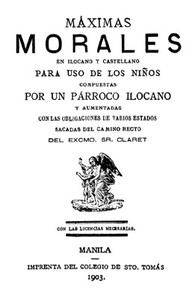
Máximas Morales en Ilocano y Castellano by Anonymous
This isn't a novel with a plot in the usual sense. Máximas Morales is a collection of short, pithy sayings about how to live a good life—advice on virtue, hard work, and community. What makes it special is its format: every piece of wisdom is presented twice, first in Spanish (Castellano) and then right next to it in Ilocano.
The Story
There is no traditional story here. Instead, you get a series of moral proverbs. Think of it as an old, pocket-sized guide to ethics. The 'story' is in the book's own existence. It was published in 1884 in Manila, a time when the Philippines was under Spanish rule. The fact that it treats Ilocano, a local language, with the same respect as the language of the colonizers is quietly powerful. The biggest plot point is the author's anonymity, which wraps the whole work in a layer of mystery.
Why You Should Read It
Reading this feels like uncovering a small, important artifact. It’s not about dramatic events; it’s about daily life and shared values. You can see the attempt to bridge two worlds. Sometimes the translations are direct, other times they adapt to fit Ilocano culture. This shows a real effort to communicate, not just dictate. It makes you wonder about the person who cared enough to do this work. Were they building understanding, or was there another purpose? The book doesn't answer that, but asking the question is part of the experience.
Final Verdict
This is perfect for anyone curious about Philippine history, language, or the quiet intersections of culture. It's for readers who enjoy historical mysteries and don't mind a book that asks more questions than it answers. If you like stuff that makes you look things up and think about the gaps in the historical record, you'll find this little book incredibly rewarding. It's a quick read that sticks with you.
This digital edition is based on a public domain text. Share knowledge freely with the world.
Sandra Jackson
1 year agoNot bad at all.
Donald Johnson
1 year agoI was skeptical at first, but the author's voice is distinct and makes complex topics easy to digest. Don't hesitate to start reading.
Barbara Ramirez
1 year agoGreat reference material for my coursework.



Mason Johnson
1 year agoFast paced, good book.