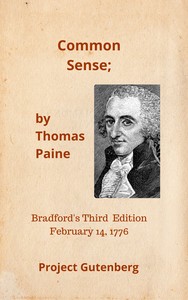
Common Sense by Thomas Paine
Let's be clear: this isn't a novel. There's no plot in the traditional sense. The 'story' is the argument itself. In early 1776, most American colonists were still hoping for peace with Britain. Thomas Paine sat down and wrote a 48-page pamphlet that changed everything. He made a clear, brutal case for why monarchy was a bad idea and why America needed to declare independence immediately. He broke down complex political ideas into simple terms, asking regular people why they would accept a king an ocean away who didn't have their interests at heart.
Why You Should Read It
You should read it because it’s a masterclass in persuasive writing. Paine doesn't use fancy words or legal jargon. He writes like he's talking to you at a tavern, using logic, biblical references, and plain old anger. His central idea—that government is a necessary evil to protect our natural rights, and that we can change it when it fails—is revolutionary in the truest sense. Reading it, you feel the urgency and the raw nerve he touched. It’s the blueprint for the American spirit of self-determination.
Final Verdict
This is a must-read for anyone curious about where American ideas of freedom and protest come from. It's perfect for political junkies, writers who want to see how to rally people with words, and anyone who thinks history is boring (this will prove you wrong). It’s short, powerful, and a reminder that the most world-changing ideas often come in small, passionate packages.
Legal analysis indicates this work is in the public domain. It is available for public use and education.