
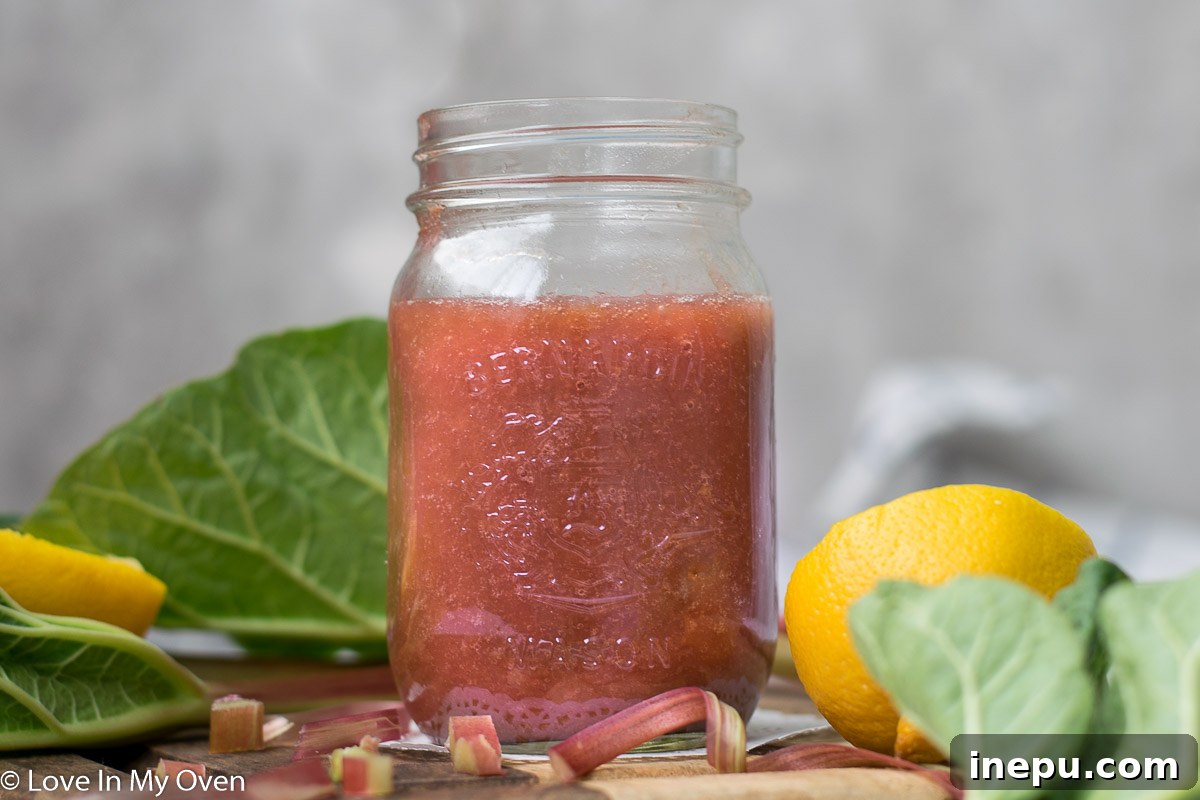
Discover the simplest way to transform your bountiful rhubarb harvest into a sweet, tangy, and incredibly versatile fruit butter with just three essential ingredients. Perfect for spreading, baking, or gifting!
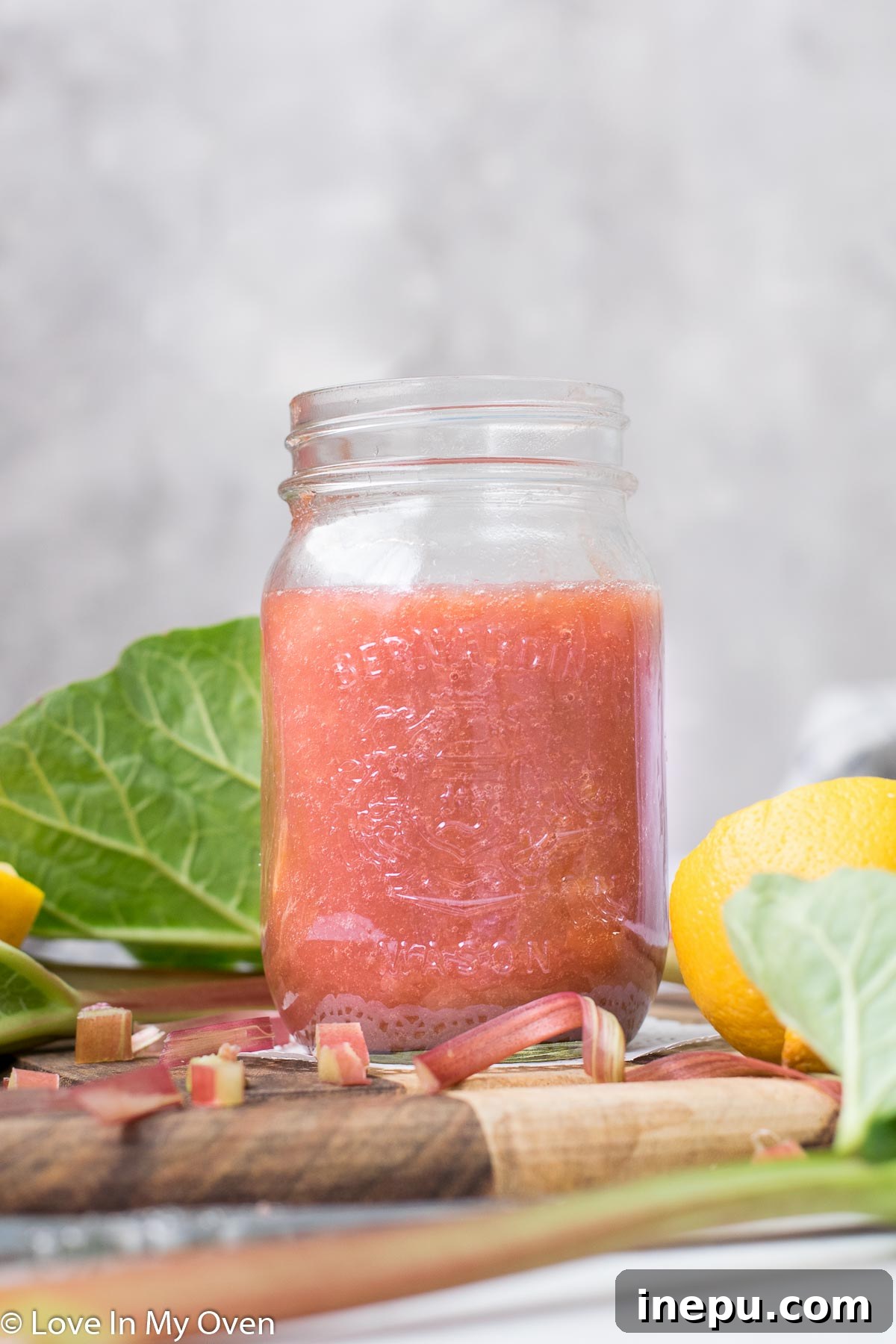
Homemade Rhubarb Butter: Your Go-To 3-Ingredient Recipe for Spring
As spring transitions into early summer, gardens burst forth with vibrant life, and for many, that means the joyous arrival of fresh rhubarb. Its striking crimson stalks and unique tart flavor are a beloved sign of the season, and if you find your garden overflowing with this delightful plant, or simply have a craving for its distinct taste, then you’re in for a culinary treat! This homemade rhubarb butter recipe is not only incredibly straightforward, requiring just three core ingredients, but it also offers a fantastically delicious and versatile way to make the most of your seasonal harvest. Forget complicated culinary endeavors; this recipe prioritizes simplicity and pure, concentrated flavor.
My journey into making fruit butters began years ago, exploring the rich, spiced comfort of slow-cooker apple butter and the cozy warmth of pumpkin butter. However, it was the sheer abundance of rhubarb in my own backyard that truly sparked the creation of this particular recipe. Even now, deep into May, my rhubarb plant thrives, its bushy leaves and plump stalks practically begging to be harvested. While I usually aim to let it grow generously to ensure a robust yield, the irresistible call of fresh rhubarb recipes, especially those hinting at strawberry-rhubarb pairings, often proves too strong to ignore. This year, rather than facing the perennial dilemma of freezing vast quantities of rhubarb towards the end of the season – a common fate for anyone with a thriving patch – I decided to transform it into something truly exceptional: a silky, sweet-tart rhubarb butter that even the most discerning palates in my family have come to adore.
The Allure of Homemade Fruit Butter
There’s an undeniable charm and superior quality to homemade fruit butter that often surpasses anything you can find in a store. Unlike traditional jams or jellies, which aim for a gel-like consistency, fruit butter is meticulously cooked down until it achieves a thick, smooth, and spreadable texture. This slow cooking process intensely concentrates the fruit’s natural flavors, often requiring less added sweetener than other preserves. The result is a creamy, deeply flavored spread that truly highlights the essence of the fruit. For rhubarb, a plant renowned for its powerful tartness, converting it into a butter masterfully mellows its sharp edge while simultaneously amplifying its unique sweet-sour profile. Beyond the exquisite taste, there’s an immense sense of satisfaction that comes from creating such a wholesome and delectable product right in your own kitchen.
Unlocking Simplicity: The 3 Core Ingredients (+ Water!)
Adhering to my belief that delicious food doesn’t have to be overly complicated, this rhubarb butter recipe shines with its wonderfully minimal ingredient list. You might genuinely wonder how such a profound depth of flavor can emerge from so few components. The magic truly lies in the inherent intensity of the rhubarb itself, harmoniously complemented by two other essential elements. And yes, while a polite debate might arise concerning the inclusion of water, I prefer to view it as a necessary cooking aid rather than a primary flavor contributor. It’s simply there to kickstart the softening process without scorching the fruit. But for those who meticulously count every component, let’s cheerfully declare it a 3-ingredient recipe that happens to employ a little H2O!
What You’ll Need:
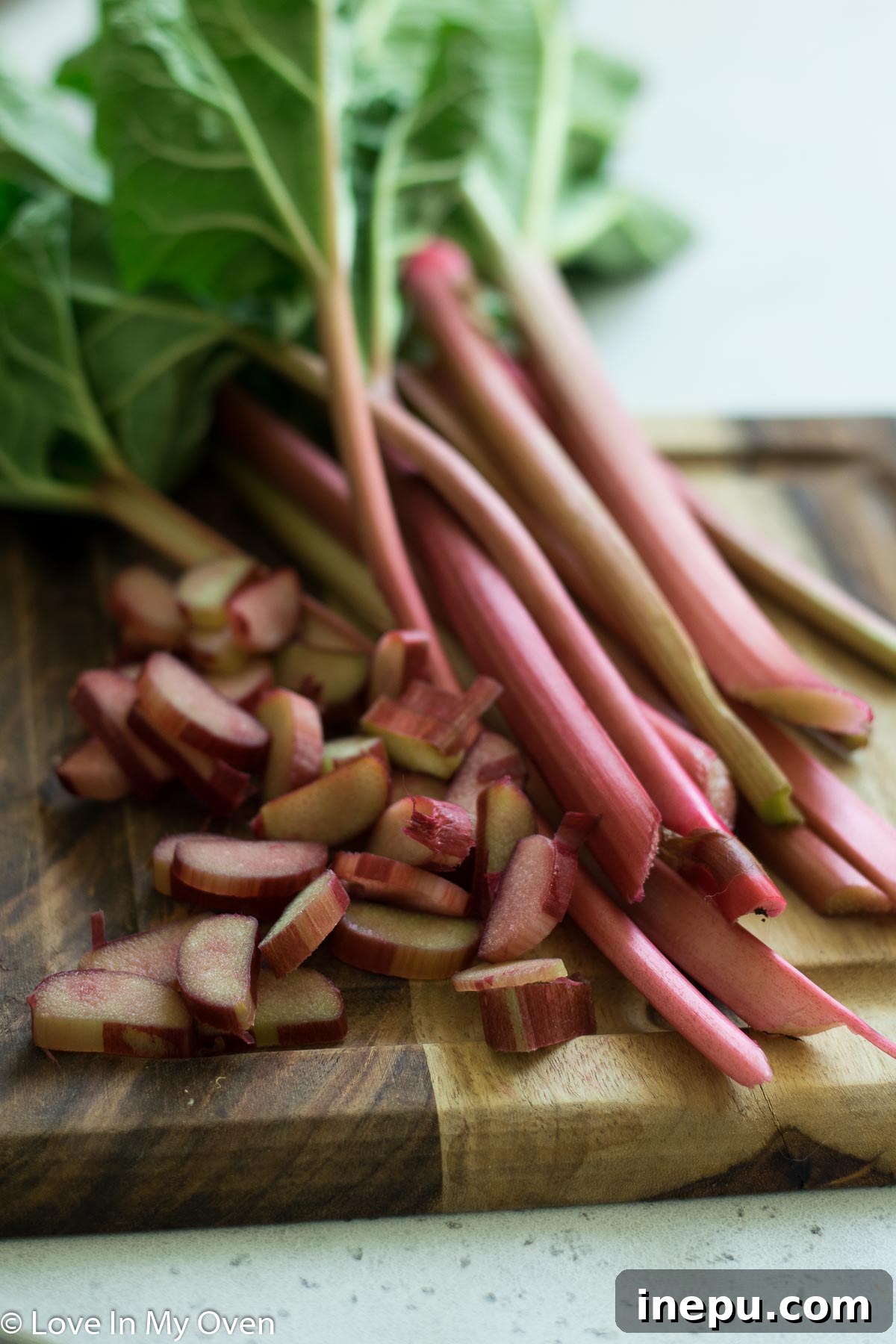
- 4 cups of Fresh Rhubarb: This volume typically corresponds to about one pound of rhubarb stalks. When selecting your rhubarb, look for stalks that are firm, crisp, and boast a vibrant red or pink hue. While green rhubarb is also perfectly edible, the redder varieties often indicate a higher tartness and more intense flavor. Ensure you wash the stalks thoroughly and trim off all leaves (which are toxic) along with any tough or woody ends.
- Juice of 1 Lemon: Freshly squeezed lemon juice plays a multi-faceted role in this recipe. It brilliantly brightens the overall flavor, adding a crucial zesty counterpoint to the rhubarb’s earthiness. Furthermore, the acidity in lemon juice enhances the natural pectin present in rhubarb, which significantly aids in the butter’s thickening process. Lastly, it acts as a natural preservative, contributing to the butter’s shelf life. This ingredient is non-negotiable for the best results.
- 1/2 cup of Honey: Honey is my sweetener of choice for this recipe due to its beautiful floral notes and its reputation as a more wholesome, natural option. It beautifully balances rhubarb’s characteristic tartness without overpowering its delicate flavor profile.
A Quick Note on Sweeteners: While I wholeheartedly recommend honey for its distinctive flavor and slightly healthier appeal, granulated sugar can certainly be used as a direct substitute. If you choose to use sugar, I suggest starting with 1/2 cup and then tasting the mixture after the initial simmer, adjusting the sweetness to your personal preference. Keep in mind that rhubarb is quite tart, so don’t hesitate to add a little more sweetener if you desire a mellower profile.
Finally, you’ll also need approximately 1/4 cup of water. This small amount is crucial for initiating the cooking process smoothly. It provides enough liquid at the start to prevent the rhubarb from sticking to the bottom of the pot and potentially scorching before it has a chance to release its own abundant juices. It ensures an even simmer and contributes to a wonderfully smooth consistency right from the outset.
Essential Kitchen Tools for Perfect Rhubarb Butter
Crafting homemade fruit butter is a surprisingly low-tech affair, accessible to almost any home cook. Here’s a list of the basic equipment you’ll need:
- Small to Medium Heavy-Bottomed Saucepan: A sturdy pan is vital to prevent sticking and ensure uniform heat distribution, which is key during the long simmering stages.
- Cutting Board and Sharp Knife: For efficiently preparing your rhubarb stalks.
- Measuring Cups and Spoons: For accurate measurement of all your ingredients.
- Blender or Food Processor: To achieve that signature silky-smooth texture. An immersion blender is often the most convenient choice, as it allows you to blend directly in the pot, minimizing cleanup. A high-speed stand blender or a food processor will also work effectively for pulverizing the cooked rhubarb.
- Heat-Proof Jars or Containers: Essential for safely storing your exquisite finished product. Glass jars with airtight lids are an excellent and popular choice, especially if you plan to share your butter as a gift.
- Spatula or Wooden Spoon: For stirring the mixture consistently, preventing it from sticking, and scraping down the sides of the pot.
Step-by-Step Guide: Crafting Your Luscious Rhubarb Butter
Follow these simple steps to transform fresh rhubarb into a delicious, spreadable fruit butter:
1. Prepare Your Rhubarb
Begin by thoroughly washing your rhubarb stalks. Trim off any attached leaves (they are toxic and should not be consumed) and discard the tough, stringy ends. Chop the rhubarb into 1/2-inch to 1-inch pieces. While exact precision isn’t critical, smaller pieces will break down more quickly during cooking, aiding in a smoother final product.
2. The Initial Simmer for Tenderness
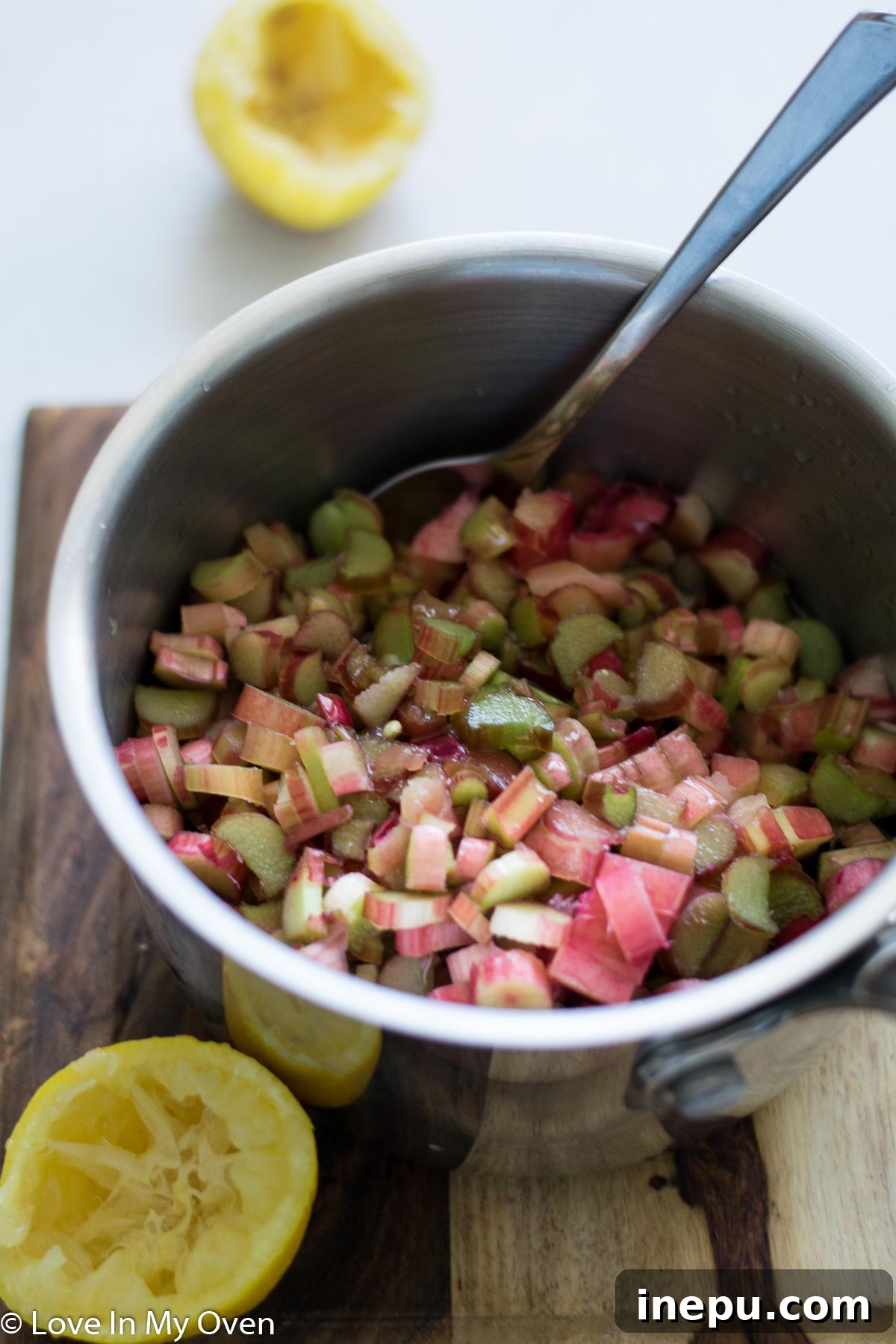
- Combine Ingredients: In your saucepan, combine the chopped rhubarb pieces, the freshly squeezed lemon juice, the honey, and the 1/4 cup of water. Give all the ingredients a good stir to ensure they are evenly mixed.
- Bring to a Boil: Place the pot over medium-high heat. Allow the mixture to come to a gentle boil, stirring occasionally to prevent any localized scorching. This initial heat helps the rhubarb quickly release its natural juices and begin to soften.
- Reduce Heat and Simmer: Once the mixture is actively bubbling, reduce the heat setting to medium-low. Let it simmer gently for approximately 20 to 25 minutes. During this crucial stage, the rhubarb will soften considerably, becoming tender and mushy as it breaks down. Remember to stir every few minutes, paying particular attention to the bottom of the pan, to prevent sticking and ensure even cooking. This step is fundamental for breaking down the rhubarb’s fibrous texture and beginning to concentrate its initial flavors.
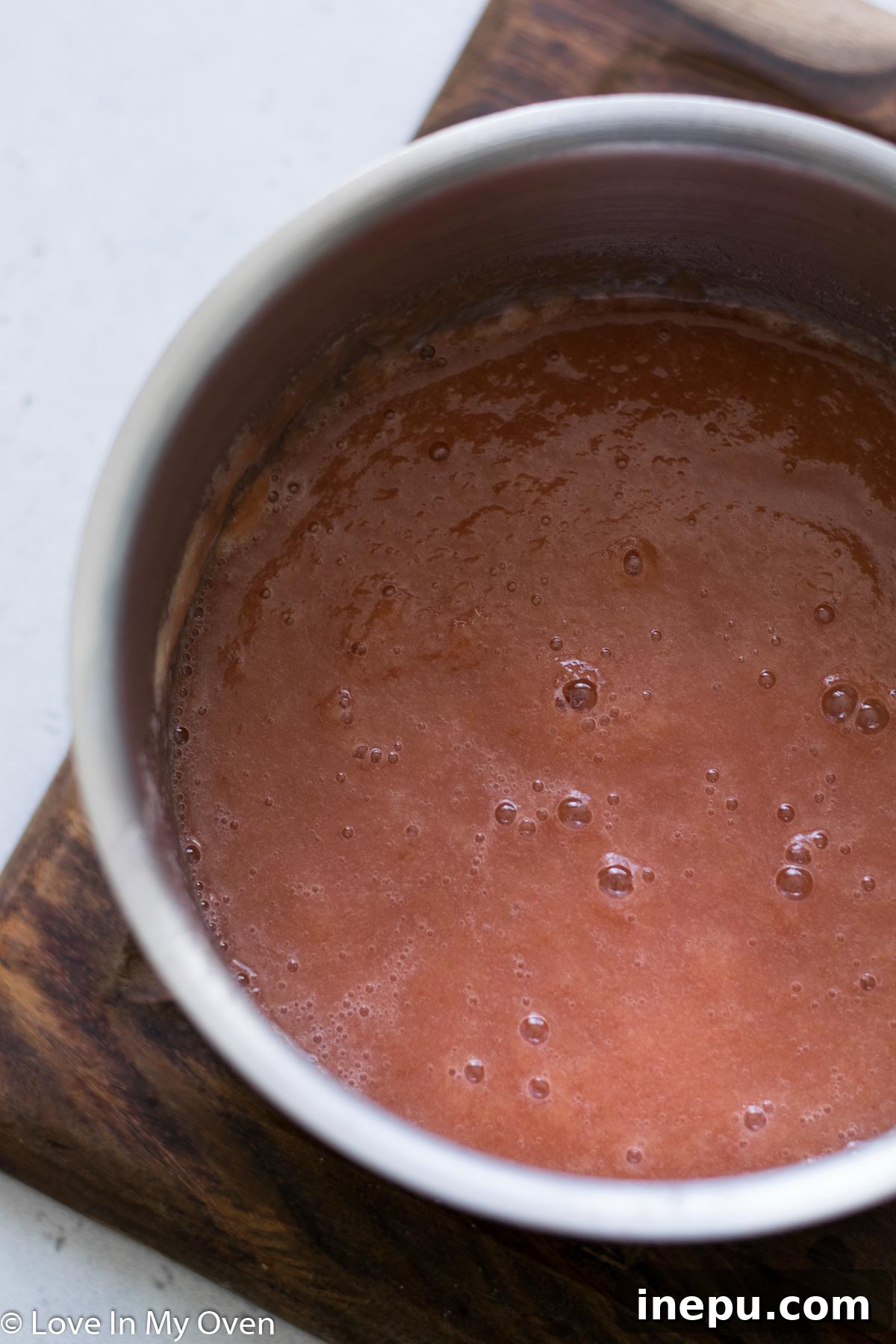
3. Achieving Silky Smoothness
- Blend Until Smooth: Once the rhubarb is thoroughly cooked and tender, remove the pot from the heat. This is the moment to transform your mushy rhubarb into that characteristic smooth, buttery texture.
- Using an Immersion Blender: This is my preferred, mess-free method. Simply insert the immersion blender directly into the pot and blend until the mixture is completely free of any lumps or fibrous strings. It’s incredibly quick and requires minimal cleanup.
- Using a Regular Blender or Food Processor: If you’re using a standard blender or food processor, carefully transfer the hot rhubarb mixture in batches to avoid overfilling. Blend on high speed until the puree is perfectly smooth. When blending hot liquids, always exercise extreme caution: never overfill your blender, and remove the center cap of the lid (covering the opening with a clean kitchen towel) to allow steam to escape and prevent dangerous pressure buildup.
- Return to Pot: Once blended to perfection, pour the now silky-smooth rhubarb puree back into the same pot.
4. The Final Thickening for Richness
- Simmer for 2 Hours: Place the pot back on the stove over very low heat. This prolonged, gentle simmer is where the magic truly unfolds! Allow the rhubarb butter to simmer for approximately 2 hours, or until it has visibly thickened to your desired consistency. During this reduction phase, the butter will deepen in color, become more concentrated in flavor, and develop its rich, spreadable texture. Stir frequently throughout this stage, especially towards the end, to prevent any sticking to the bottom and ensure an even reduction. It’s important to remember that the butter will continue to thicken significantly as it cools.
5. Cooling and Final Storage
- Transfer and Cool: Once the rhubarb butter has reached your preferred thickness, carefully spoon or pour the hot butter into clean, heat-proof jars or containers. If you plan to freeze some of it, ensure you leave adequate headspace (about 1 inch) to allow for expansion.
- Refrigerate: Place the containers in the fridge to cool completely. This cooling period typically spans 4 to 5 hours, during which the butter will set further, achieving its final luscious and spreadable consistency.
Congratulations! Your exquisite homemade rhubarb butter is now ready to be savored. You’ll be amazed by its vibrant flavor and silky texture, knowing you created such a delightful preserve with such ease.
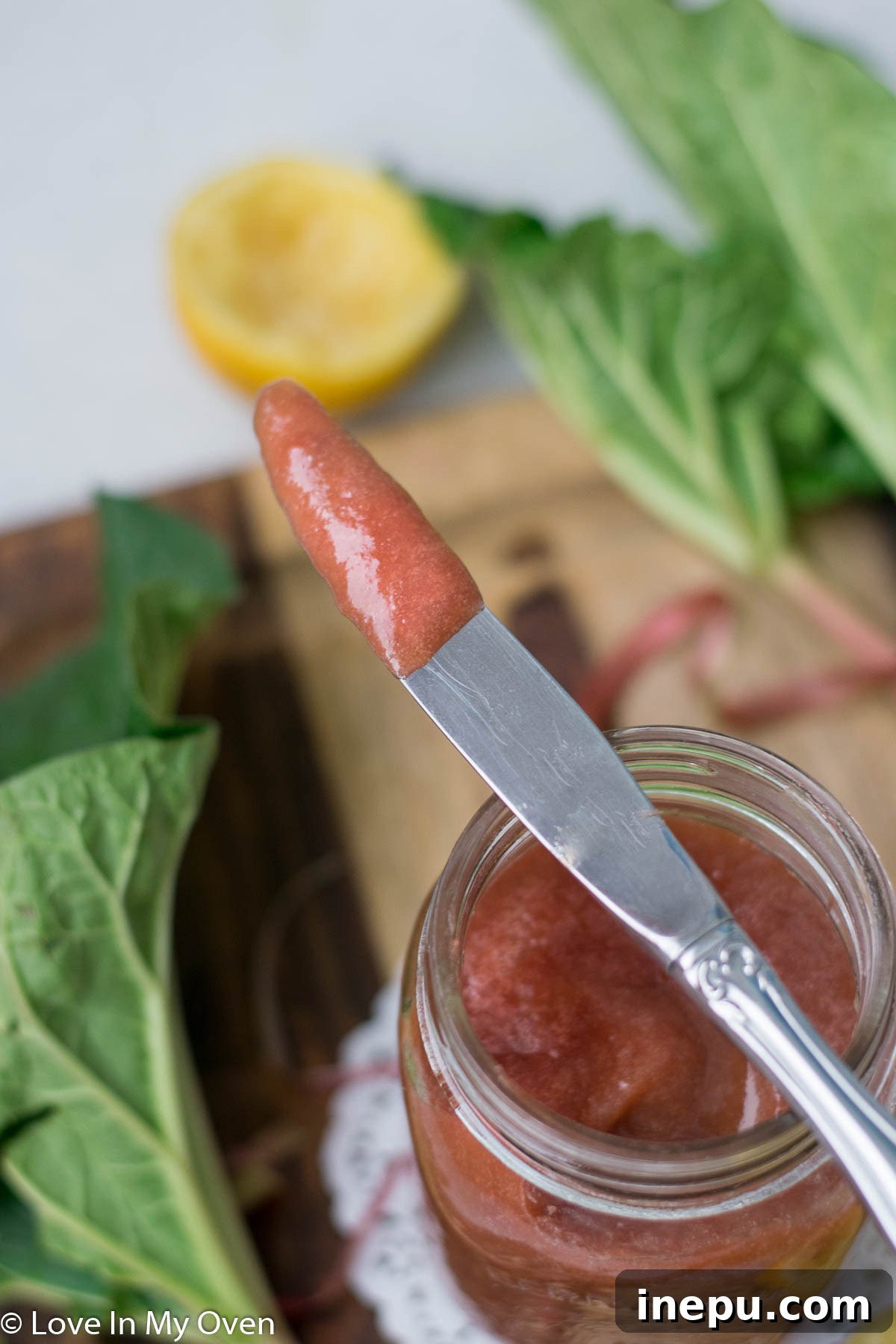
Delicious Ways to Enjoy Your Homemade Rhubarb Butter
Once you’ve experienced the sweet and tangy delight of this homemade rhubarb butter, you’ll undoubtedly discover countless ways to integrate it into your culinary repertoire. Despite rhubarb’s characteristic tartness, the thoughtful addition of honey and lemon juice in this recipe creates a beautifully balanced, sweet, and utterly scrumptious spread. Its versatility rivals that of a fine fruit curd or a sophisticated jam, making it a fantastic addition to both sweet and even some savory dishes.
Irresistible Breakfast & Brunch Favorites:
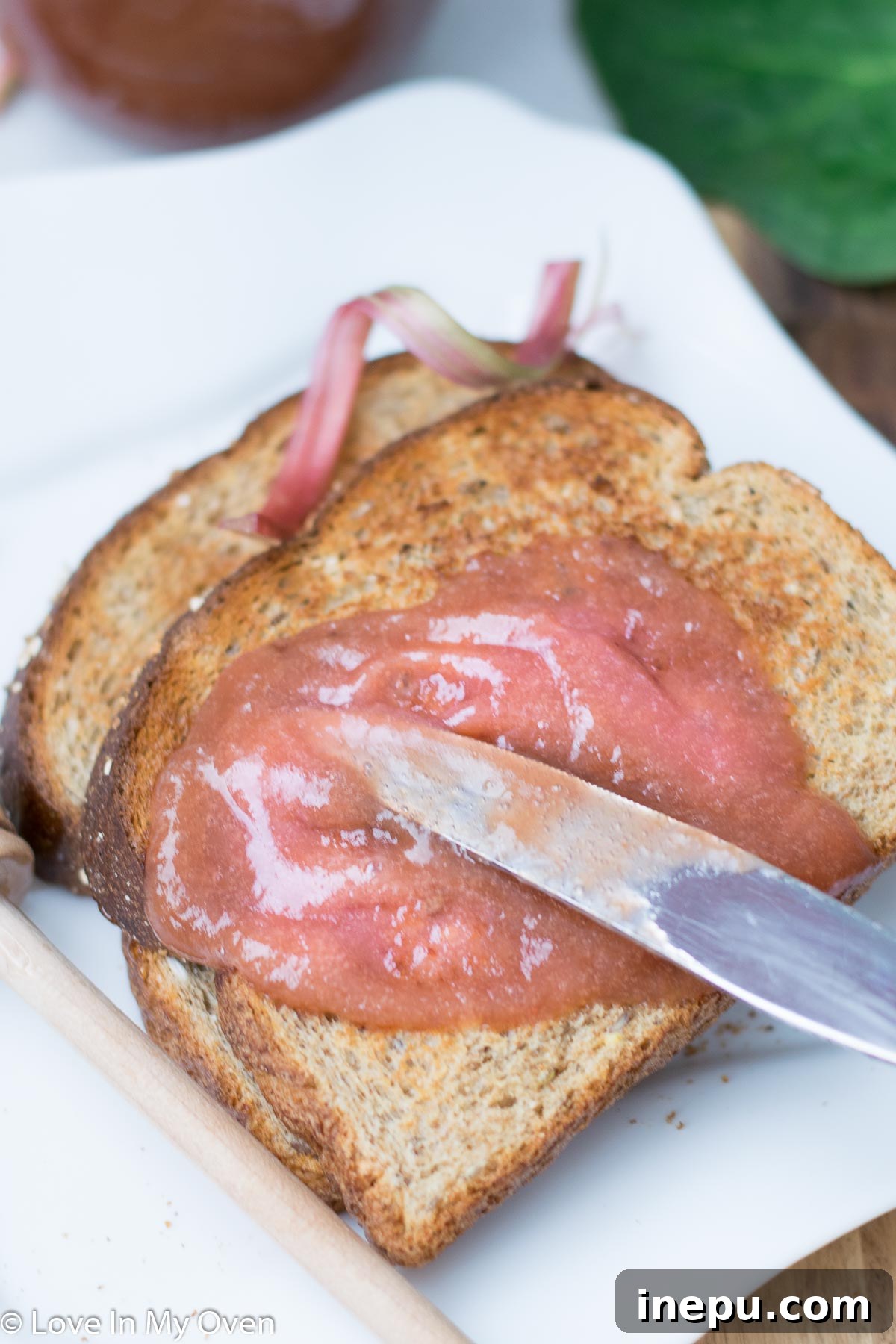
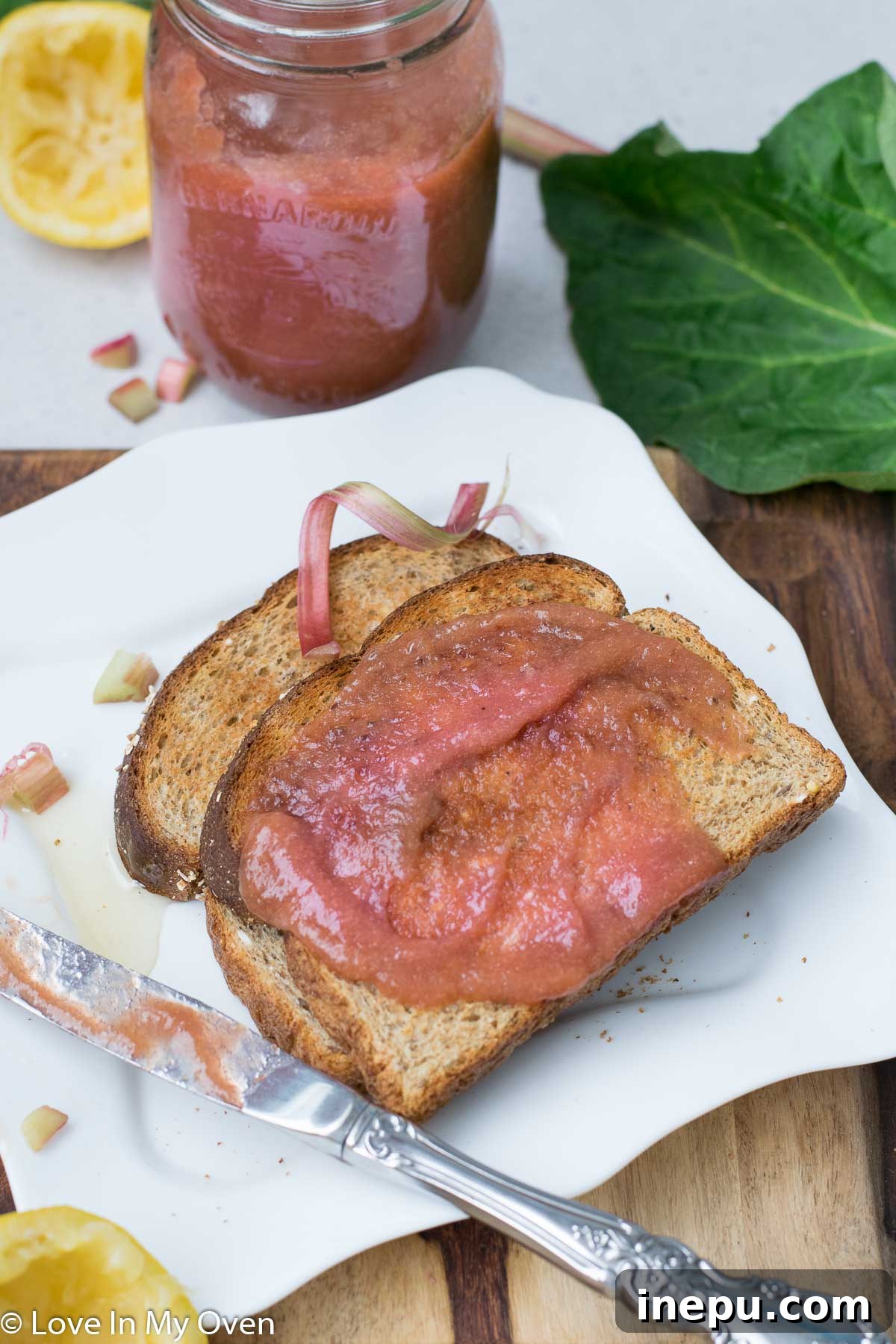
- Classic Spreads: The most straightforward and arguably most satisfying use: a generous dollop on warm, buttered toast, bagels, English muffins, or a freshly baked scone. Pure bliss!
- Pancake, Waffle, and French Toast Topping: Move beyond traditional maple syrup and elevate your breakfast with a healthier, fruit-forward topping. The vibrant flavor of rhubarb butter will truly transform your morning stack.
- Stir-Ins and Layers: Swirl a spoonful into your morning oatmeal, cream of wheat, or even plain Greek yogurt for an instant flavor boost. Layer it into yogurt parfaits with granola for a delightful and wholesome treat.
- Breakfast Cookies or Bars: Incorporate it as a luscious filling or swirl it directly into the dough for a unique and seasonal twist on your favorite breakfast cookies or oat bars.
Creative Baking & Dessert Enhancements:
- Tart and Pie Filling: Replace traditional lemon curd or fruit fillings with this rhubarb butter for a distinctive and delightful dessert. Imagine the elegance of a rhubarb butter pavlova or a rustic galette.
- Thumbprint Cookies: The vibrant color and flavor make it a perfect choice for filling the indentations of classic shortbread or sugar cookies.
- Cake or Cupcake Filling/Topping: A thin layer spread between cake tiers or dolloped generously onto cupcakes adds an unexpected burst of tangy sweetness.
- Glaze for Pastries: Gently warm and brush over croissants, Danish pastries, or sweet rolls for a shiny, flavorful glaze.
- Cheesecake Topping: A beautiful and sophisticated topping for a creamy cheesecake, offering both visual appeal and a refreshing tang.
- Muffin or Scone Batter: Fold a few spoonfuls into your muffin or scone batter before baking for pockets of concentrated rhubarb flavor.
Unexpected Savory Pairings:
- Glaze for Meats: The sweet-tart profile of rhubarb butter makes it an excellent, vibrant glaze for roasted pork loin, grilled chicken, or even duck. It creates a beautiful caramelized crust.
- Sophisticated Cheese Boards: Serve alongside sharp cheddar, tangy goat cheese, creamy brie, or robust blue cheese for an elevated appetizer. The fruit butter cuts through the richness of the cheese beautifully.
Don’t be afraid to experiment and let your culinary imagination run wild! This rhubarb butter is a true kitchen chameleon, ready to infuse a touch of gourmet elegance into both your sweet and savory creations.
Storing Your Homemade Rhubarb Butter for Lasting Freshness
Proper storage is absolutely crucial to ensure you can enjoy your delicious homemade rhubarb butter for as long as possible. Fortunately, this fruit butter is quite forgiving and stores beautifully in both the refrigerator and the freezer, offering flexible preservation options.
Refrigeration:
Once your rhubarb butter has cooled completely to room temperature, transfer it to an airtight container or clean, sealed jar. Stored securely in the refrigerator, it will maintain its optimal freshness, flavor, and texture for approximately 10 days to 2 weeks. To prevent any potential mold growth or spoilage, always ensure that your container is spotlessly clean and thoroughly dry before filling. As with any homemade preserve, if you ever observe any signs of mold, an unusual color change, or an off-smell, it is always best to err on the side of caution and discard the product.
Freezing for Extended Enjoyment:
For significantly longer preservation, rhubarb butter freezes exceptionally well! After it has completely cooled down in the refrigerator, transfer the butter into freezer-safe containers or jars. If you opt for glass jars, which are excellent for presentation and storage, remember to leave at least 1 inch of headspace (the empty space between the food and the lid) at the top. This crucial step accounts for the expansion that occurs as the butter freezes, preventing your jars from cracking. Alternatively, rigid plastic freezer containers or heavy-duty freezer bags (with as much air as possible squeezed out) are also excellent choices. Properly frozen rhubarb butter can retain its quality for up to 6 months. To thaw, simply transfer the frozen butter from the freezer to the refrigerator and allow it to defrost overnight. Once thawed, give it a good stir to restore its smooth consistency before using.
Canning (for Long-Term, Shelf-Stable Storage):
If you possess experience in home canning, this rhubarb butter is a superb candidate for water bath canning. This method allows you to store your butter safely at room temperature for up to a year, making it an ideal solution for large rhubarb harvests. However, it is paramount to follow established and reputable canning guidelines meticulously to ensure food safety. Always refer to official canning resources (such as those from your local agricultural extension or recognized canning authorities) for specific, step-by-step instructions on processing fruit butters. Proper sterilization of jars and lids, along with correct processing times and sealing techniques, are absolutely non-negotiable for safe, shelf-stable preservation.
Whether you choose to refrigerate, freeze, or embark on a canning project, preserving your rhubarb butter means you can relish the bright, tangy taste of spring long after the season has passed. It also makes for an incredibly thoughtful and appreciated homemade gift!
Other Favorite Rhubarb Recipes to Explore
If you’ve been captivated by the delightful and distinctive flavor of rhubarb, you’ll be thrilled to discover that there are numerous other creative and delicious ways to utilize this fantastic seasonal ingredient. Here are a few more recipes to inspire your culinary adventures and further celebrate the versatility of rhubarb:
- Roasted Strawberry Rhubarb No-Churn Ice Cream
- Rhubarb Streusel Rolls
- Strawberry Rhubarb Salsa
- Double Streusel Strawberry Rhubarb Muffins
The Simple 3-Ingredient Rhubarb Butter Recipe Card
Rhubarb Butter
This incredibly simple 3-ingredient rhubarb butter is an effortless way to utilize your fresh rhubarb harvest. It boasts a perfectly balanced sweet and tangy flavor, making it ideal for spreading over toast, pancakes, or oatmeal, and it serves as a delightful ingredient in various baking recipes!
- Author: Katherine | Love In My Oven
- Prep Time: 10 minutes
- Cook Time: 3 hours
- Total Time: 3 hours 10 minutes (plus 4-5 hours cooling)
- Yield: Approximately 1 pint
- Category: Spreads, Preserves
- Method: Stovetop
- Cuisine: American
Ingredients
- 4 cups rhubarb, chopped into 1/2″ pieces (about 1 pound)
- 1/2 cup honey
- Juice of 1 lemon (freshly squeezed)
- 1/4 cup water
Instructions
- In a small saucepan, combine the chopped rhubarb, honey, lemon juice, and water. Place the pot over medium-high heat and bring the mixture to a gentle boil, stirring occasionally.
- Once the mixture begins to boil, reduce the heat to medium-low and allow it to simmer for about 20-25 minutes, stirring every few minutes, until the rhubarb has become very soft and mushy.
- Remove the pot from the heat. Carefully blend the mixture until it is completely smooth, using an immersion blender, a high-powered stand blender (in cautious batches for hot liquids), or a food processor.
- Pour the smooth rhubarb puree back into the clean saucepan. Return the pot to the stove over low heat.
- Simmer the rhubarb butter for an additional 2 hours, stirring frequently, until it has thickened to your desired consistency. Please note that the butter will continue to thicken considerably as it cools.
- Transfer the thickened rhubarb butter into clean, heat-proof jars or containers. Allow it to cool completely in the refrigerator for 4-5 hours, or until fully set.
- Once cooled and set, your homemade rhubarb butter is ready to be enjoyed as a delicious spread, a versatile baking ingredient, or a topping for various dishes.
Notes
Store your rhubarb butter in an airtight container in the refrigerator for 10 days to 2 weeks. For extended preservation, it can be frozen for up to 6 months in freezer-safe containers, ensuring you leave adequate headspace. If you are knowledgeable about home canning, this recipe can also be safely water bath canned for a longer, shelf-stable life; always consult and follow reputable canning guidelines for proper procedure and food safety.
Conclusion: Embrace the Rhubarb Season!
Making your very own rhubarb butter is an incredibly rewarding culinary endeavor, offering a simple yet profoundly flavorful method to capture and celebrate the vibrant essence of spring. With just three primary ingredients – rhubarb, honey, and lemon – and a little patient simmering, you can effortlessly create a truly remarkable spread. This lusciously smooth and perfectly balanced butter will elevate everything from your humble morning toast to elegant desserts, adding a unique sweet-tart dimension that is utterly irresistible. Embrace the bounty of the season, transform your rhubarb harvest, and delight in the wonderfully flavorful results that will surely become a new favorite in your kitchen.
Have you tried this wonderfully easy rhubarb butter recipe? We’re eager to hear about your favorite and most creative ways to enjoy it! Please feel free to share your thoughts, tips, and serving ideas in the comments section below.